
As the world’s leading sportswear brand, Nike has become synonymous with quality and style. But in today’s fast-paced market, it’s not uncommon for counterfeiters to try to cash in on the iconic swoosh logo. With so many fake Nikes flooding the market, it can be difficult to tell whether your new kicks are authentic or just a cheap imitation.
In this post, we’ll delve into the world of Nike counterfeits and provide you with some valuable tips to help you spot the real deal from a fake. Whether you’re a sneakerhead looking to upgrade your collection or simply want to ensure that your investment is genuine, this guide is here to help.
The Importance of Authenticity
When it comes to Nike sneakers, authenticity matters for several reasons:
- Quality: Genuine Nikes are made with high-quality materials and manufacturing processes, ensuring a longer lifespan and better performance.
- Safety: Counterfeit products can pose health risks due to the use of inferior materials or construction methods.
- Resale value: Authentic Nikes retain their value and even appreciate over time, making them a valuable investment for collectors.
Common Red Flags
So, how do you spot a fake Nike? Here are some common red flags to watch out for:
- Misaligned or missing logos: Official Nike products always feature well-aligned logos and branding.
- Off-center or distorted shapes: Genuine Nikes have symmetrical designs, whereas counterfeits may exhibit uneven or warped shapes.
- Cheap materials: Look for signs of low-quality materials, such as thin leather, flimsy laces, or rough stitching.
- Unusual packaging: Reputable retailers usually package their products with care and attention to detail; suspiciously sloppy or cheap packaging can be a dead giveaway.
Inspecting the Sole
The sole is another crucial area to inspect when verifying authenticity:
- Waffle pattern: Genuine Nikes feature unique waffle patterns on the outsole, which should match the official designs.
- Sole material: High-quality Nikes have durable rubber or polyurethane soles; low-grade materials can indicate a counterfeit.
Additional Tips
In addition to these visual inspections, here are some additional tips to help you spot authentic Nikes:
- Check the box and packaging: Reputable retailers usually package their products with care and attention to detail.
- Verify the serial number: Genuine Nikes have unique serial numbers printed on the inside of the tongue or heel; counterfeiters often omit this information.
- Research the model: Familiarize yourself with official Nike models, including colors, materials, and design elements.
Conclusion
When it comes to purchasing Nike sneakers, it’s crucial to be aware of potential counterfeits lurking in the market. By knowing what to look for – from misaligned logos to unusual packaging – you can confidently invest in authentic Nikes that will provide years of quality performance and style. Remember, authenticity matters: don’t settle for a fake when you can have the real deal.
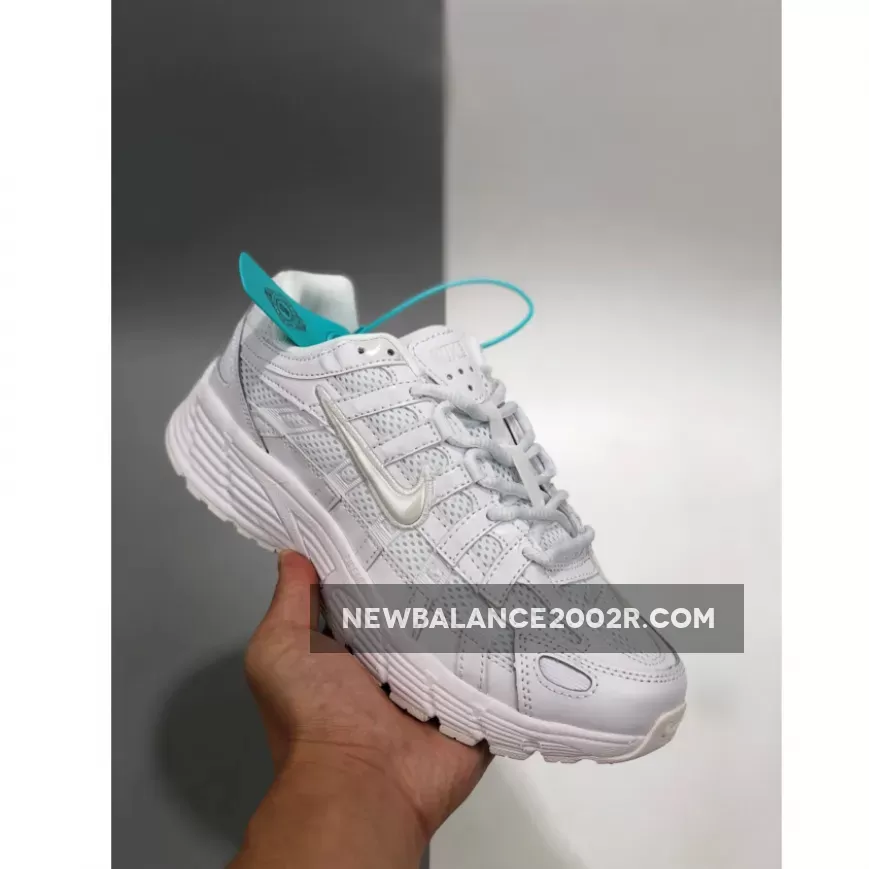 CLICK HERE TO Buy : Nike P-6000 White/Platinum Tint #nike p 6000 white